
 By Admin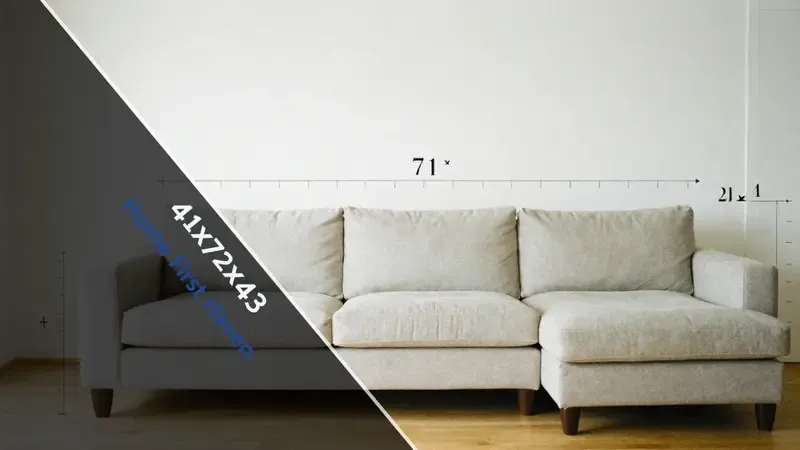
You’re shopping online. You find the perfect sectional or cabinet. Then you see three numbers: 41x72x43. For many people, those numbers feel confusing. But they matter more than you think.
Understanding 41x72x43 can save you from a costly mistake. It can prevent returns, delivery problems, and awkward furniture that overwhelms your room. These numbers are not random. They define how a piece fits into your space and how your space feels every day.
This guide breaks everything down in simple terms. You’ll learn what the dimensions mean, how to convert them, how to calculate volume, and how to know if it will actually fit your home.
What Does 41x72x43 Mean?
The numbers 41x72x43 represent three measurements: length, width (or depth), and height.
Most furniture manufacturers list dimensions in this order:
-
Width
-
Depth
-
Height
However, some list them as:
-
Length
-
Width
-
Height
Always check the product diagram to confirm.
In most US furniture listings, 41x72x43 is measured in inches unless stated otherwise. That means:
-
41 inches
-
72 inches
-
43 inches
Each number represents one physical side of the item.
If you skip checking the unit, you risk ordering something much larger or smaller than expected.
Is 41x72x43 Considered Large Furniture?
Now let’s answer a practical question: Is this size big?
Yes, in most cases, 41x72x43 inches falls into the medium-to-large furniture category.
Here’s why:
-
72 inches equals 6 feet.
-
41 inches is over 3 feet deep.
-
43 inches tall is higher than a standard countertop.
This size commonly appears in:
-
Sectional sofa wedge pieces
-
Large storage cabinets
-
Commercial display fixtures
-
Oversized lounge chairs
For living rooms, this size works best in spaces that have at least 12 feet of open wall space. Smaller apartments may feel crowded with this much furniture.
41x72x43 Dimensions in Inches, Centimeters, and Millimeters
If measured in inches, here’s how it converts:
| Unit | Length | Width | Height |
|---|---|---|---|
| Inches | 41 in | 72 in | 43 in |
| Centimeters | 104.1 cm | 182.9 cm | 109.2 cm |
| Millimeters | 1041 mm | 1829 mm | 1092 mm |
Conversion basics:
-
1 inch = 2.54 cm
-
1 inch = 25.4 mm
Why does this matter?
If you buy from an international seller, measurements may appear in metric units. A misunderstanding can completely change what you receive.
How to Calculate Volume and Why It Matters
Three dimensions allow you to calculate volume.
Formula:
Length × Width × Height = Volume
So:
41 × 72 × 43 = 126,696 cubic inches
That equals:
-
73.3 cubic feet
-
2.07 cubic meters
Why should you care?
Volume impacts:
-
Shipping costs
-
Storage fees
-
Packaging requirements
-
Moving truck space
Shipping companies often charge based on dimensional weight. That means size can cost more than actual weight.
Will 41x72x43 Fit Through Your Door?
Here’s where many buyers make mistakes.
A standard interior door measures 30 to 36 inches wide.
A 72-inch-long piece cannot go straight through that door. You may need to:
-
Angle it diagonally
-
Remove door frames temporarily
-
Use a larger entrance like a patio door
-
Confirm it comes in modular sections
Always measure:
-
Door width
-
Hallway width
-
Stairwell clearance
-
Ceiling height
Also consider packaging. A boxed item may measure 2–4 inches larger on each side.
How to Measure Your Room the Right Way
Before ordering, follow these steps:
-
Measure the wall space where the item will sit.
-
Mark the dimensions on the floor using painter’s tape.
-
Walk around the taped area to test traffic flow.
-
Leave 18–24 inches for walking space.
-
Check the ceiling height if the item is tall.
If your ceiling slopes, measure multiple points. A 43-inch height may seem safe but could clash with angled architecture.
This simple planning step prevents major regret later.
Common Mistakes People Make With These Dimensions
Many shoppers rush through the measuring process. Here are common errors:
1. Ignoring Units
They assume inches when the listing shows centimeters.
2. Forgetting Clearance
They push furniture too close to doors or windows.
3. Overlooking Delivery Path
They measure the room but ignore hallways and entryways.
4. Ignoring Packaging Size
Boxes add extra inches.
Each mistake can result in expensive returns.
Where You’ll See 41x72x43 Dimensions Used Most Often
You will commonly find this size in:
-
Sectional sofa wedges
-
Lounge seating
-
Storage cabinets
-
Commercial display cases
-
Equipment housings
For example, some sectional wedge pieces measure exactly 41 inches wide, 72 inches long along the wall, and 43 inches tall.
This format works well for medium-to-large living rooms.
Comparison: How 41x72x43 Stacks Up Against Other Sizes
Let’s compare:
| Size | Category | Best For |
|---|---|---|
| 36x60x36 | Medium | Small living rooms |
| 41x72x43 | Medium-Large | Open concept spaces |
| 50x90x45 | Large | Spacious family rooms |
This comparison helps you visualize scale.
If your room feels tight already, a smaller footprint may work better.
Clearance and Safety Tips
For safe placement:
-
Leave 2–3 inches behind furniture against walls.
-
Leave 18–24 inches for walkways.
-
Secure tall items with anti-tip hardware.
-
Avoid blocking outlets or vents.
If children or pets live in your home, anchor heavy pieces to prevent tipping.
Quick Reference Summary
Here are the essential facts:
-
Typical unit: Inches
-
Category: Medium-to-large furniture
-
Volume: 73.3 cubic feet
-
Best room size: 12×12 feet or larger
-
Clearance needed: 18–24 inches of walking space
FAQs
Is 41x72x43 measured in inches or centimeters?
In US furniture listings, it is usually measured in inches unless stated otherwise.
Can a 41x72x43 item fit in a pickup truck?
A 72-inch length often requires an 8-foot truck bed or trailer. Standard short beds may not accommodate it safely.
How much space should I leave around it?
Leave at least 18–24 inches of walking clearance on open sides.
Is this size good for apartments?
It can work in larger apartments with open layouts. Tight floor plans may feel crowded.
Conclusion
Understanding 41x72x43 gives you control over your space. These three numbers determine how furniture fits, how it moves through your home, and how comfortable your room feels. Measure carefully, confirm units, and plan your delivery path before buying. When you treat dimensions seriously, your space works for you instead of against you. For more information, visit our website.